
Most business owners find out about fraud after the damage is already done: a missing shipment, a partner who disappeared with a deposit, a claim that never should have been paid. By the time it is obvious, the money is usually gone and the trail has gone cold. A private investigator's real value is catching the problem before it reaches that point, or building the evidence needed to recover from it if it already has.
Fraud is not rare, and it is rarely dramatic. According to the Association of Certified Fraud Examiners' most recent global study, the typical organization loses around 5 percent of its annual revenue to fraud, and close to half of all cases involve some form of conflict of interest or corruption rather than outright theft. Most of it is discovered by accident or through a tip, not through an audit. That is exactly the gap a private investigator business fraud engagement is built to close. If you are still weighing whether your situation warrants one, see our guide on 5 signs you need a private investigator in Tanzania.
For businesses in Tanzania, that gap can be even wider. Deals move fast, trust is built on relationships rather than paperwork, and the systems that catch fraud in larger, more formalized economies, credit bureaus, public court records, verified corporate filings, are often incomplete or slow to check. That does not mean the risk is lower. It usually means the fraud has more room to grow before anyone notices. Here are five ways a private investigator closes that gap in practice.
1. Vetting people before they get access to your money or systems
Almost every internal fraud case starts the same way: someone was trusted with access, and that trust was never verified. A finance officer with a hidden conviction, a warehouse manager with an undisclosed side business buying your own stock at a discount, an agent who was quietly let go from a previous employer for exactly the same thing they are about to do to you.

A pre-employment background investigation checks what a CV and an interview cannot: verified employment history, education claims, any legally accessible criminal record, and general reputation in their industry. For roles that touch cash, inventory, supplier relationships, or company accounts, this is not optional due diligence. It is the cheapest fraud prevention available, because it stops the problem before it has a chance to start.
Red flags worth checking before you hand someone the keys:
- Employment gaps that are explained away vaguely or inconsistently
- References who are hard to reach, or who give short, rehearsed answers
- A candidate who is unusually eager to start immediately in a role with financial access
- Reluctance to provide identification or previous employer contact details
This applies just as much to agents and wakala partners as it does to formal staff. Anyone who will be handling stock, cash, or customer payments on your behalf is, functionally, an employee for fraud-risk purposes, even if the arrangement is informal. See our guide to pre-employment and background checks for more on how this works in practice.
2. Catching internal theft and financial fraud that is already happening
Sometimes the concern is not about who you are hiring, it is about what is already going missing. Stock levels that never quite match the books. A supplier invoice that looks slightly inflated every month. A trusted employee whose lifestyle has changed faster than their salary explains.

This is where a targeted corporate investigation, rather than a general audit, tends to find answers faster. Surveillance, transaction tracing, and discreet inquiry can establish exactly how money or stock is leaving the business and who is responsible, without tipping off the person involved before you have enough evidence to act.
Common signs that point to an internal fraud problem rather than simple bad luck:
- Inventory shrinkage that is consistently higher than industry norms, with no clear cause
- One employee who resists taking leave or handing over their tasks, even briefly
- Vendor payments that increase steadily without a matching increase in orders or activity
- Financial records that are always "almost ready" whenever you ask for a full reconciliation
Acting on a hunch alone risks accusing the wrong person or tipping off the right one before you can prove anything. A properly documented investigation gives you facts to act on, whether that means dismissal, recovery of losses, or a police report that will actually hold up. See our guide to workplace theft and employee misconduct cases for more detail.
The most damaging internal fraud cases are rarely committed by new hires. They are usually carried out by long-tenured staff who understand exactly where the gaps in oversight are, which is why "we trust them completely" is often the reason a scheme went unnoticed for so long, not a reason to skip verification.
3. Verifying who you are really doing business with
Fraud does not only happen from inside the business. Some of the most damaging cases start with a partnership, an investor, or a supplier who looked completely legitimate on paper. A BRELA certificate confirms a company is registered. It says nothing about whether that company has the capital it claims, whether the person signing has real authority to sign, or whether they have a history of walking away from deals once money changes hands.
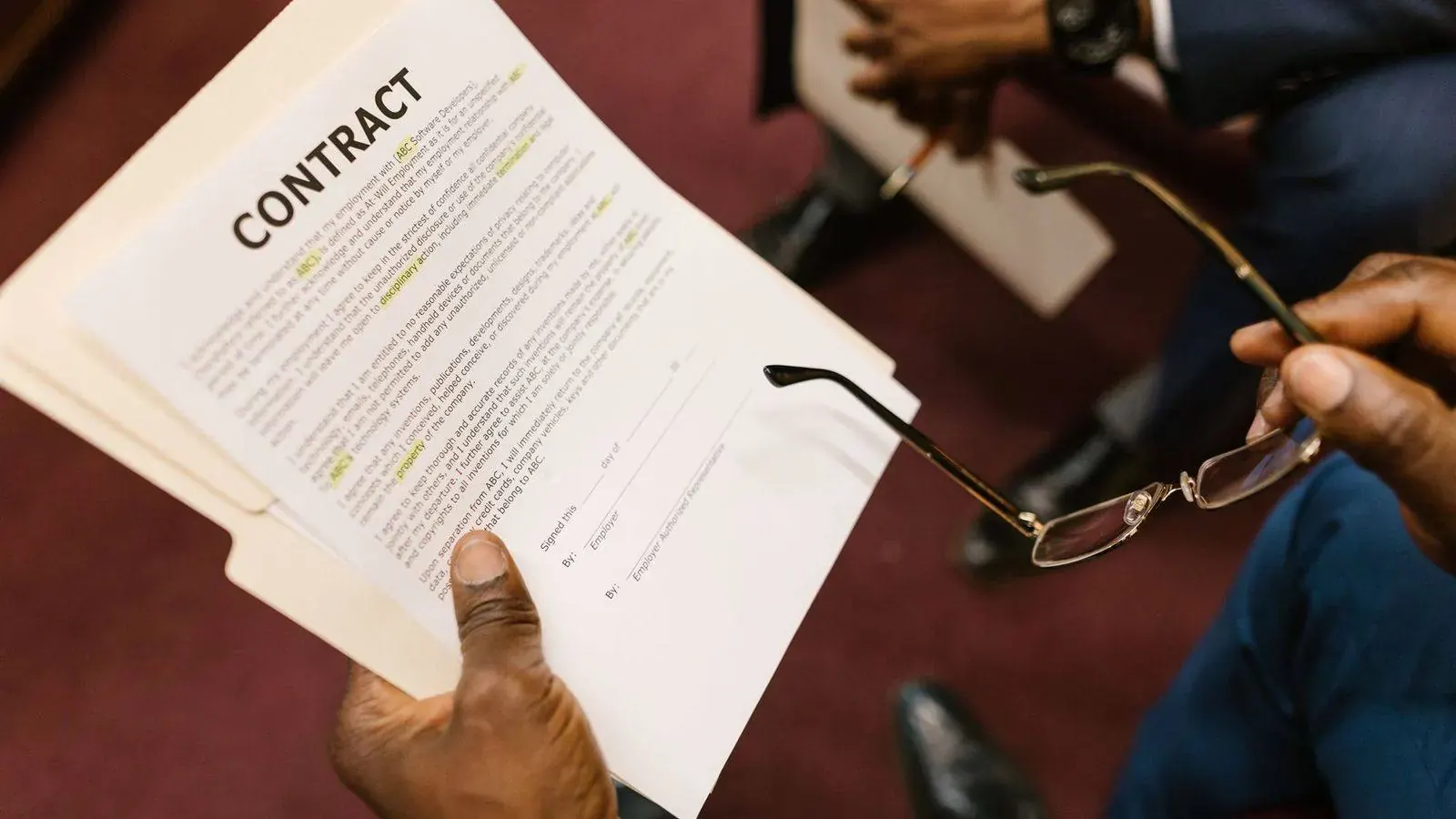
A due diligence investigation looks past the pitch: verified business history, financial standing, past dealings, and reputation among people who have actually worked with them before. It is far cheaper to spend a week verifying a new partner than to spend years trying to recover capital from one who was never legitimate to begin with.
Situations where this matters most:
- Bringing in an outside investor or restructuring equity in your business
- Extending credit terms to a new distributor or wholesale buyer
- Signing a supply agreement with a company you have not worked with before
- Any deal that comes with pressure to move quickly before you can verify the details
Tanzania's business environment runs heavily on relationships and referrals, which is exactly what makes it a comfortable space for someone who is good at appearing trustworthy. Verifying a new partner is not an insult to the relationship. It is simply how serious business gets done. See our guide to business partner and investment due diligence for more on how this works.
4. Investigating suspicious insurance claims and asset losses
For businesses that carry commercial insurance, fraud can also show up on the claims side, either a loss that is exaggerated well beyond what actually happened, or a claim built around an incident that did not happen the way it was reported. Left unchecked, this drives up premiums and drags out settlements for everyone.
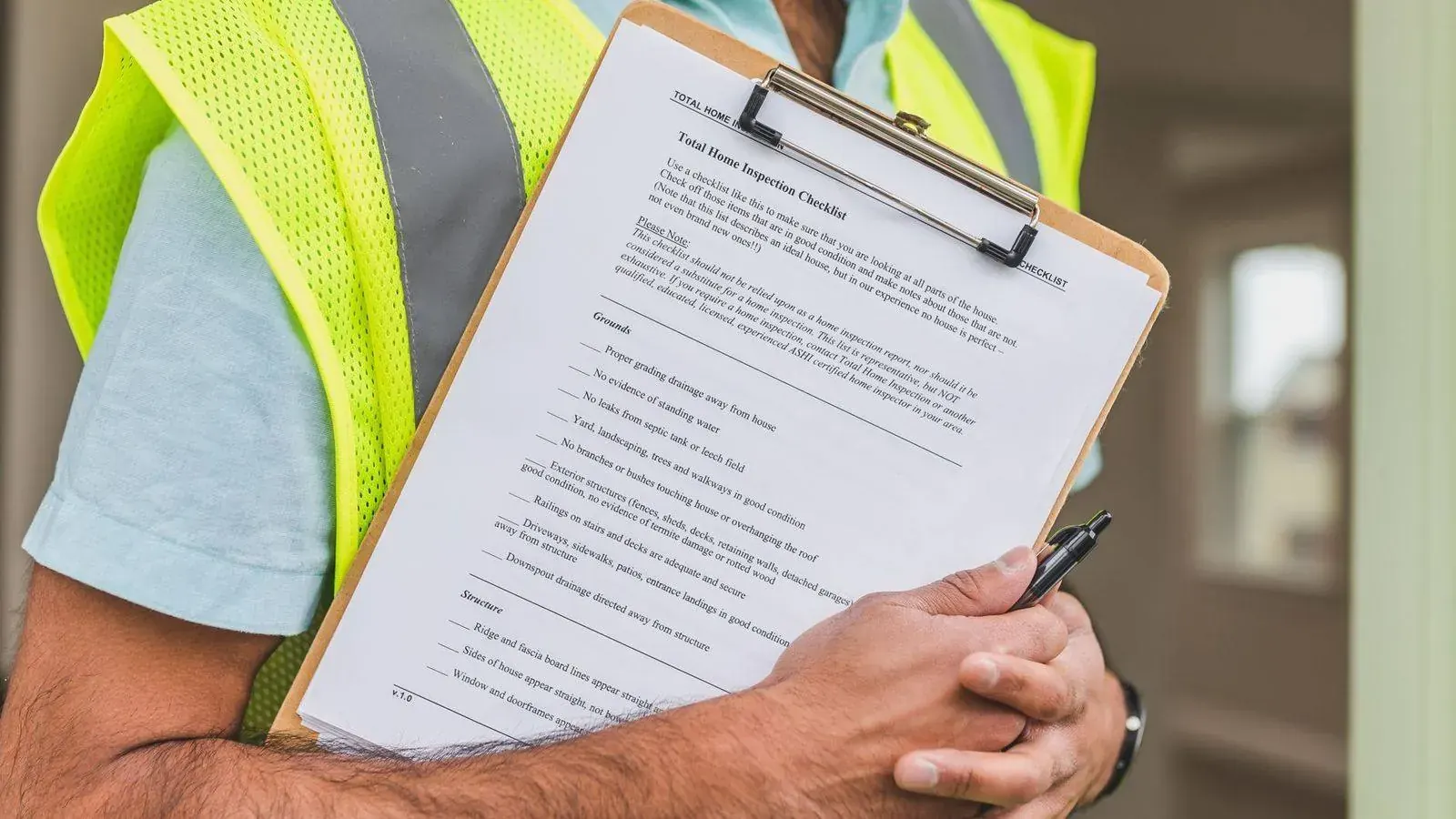
An independent loss adjustment investigation establishes the facts before a payout is made: site inspections, documentation review, and witness interviews that either support a fair claim or expose one that does not hold up. This protects the business from paying out on a fraudulent loss, and it protects a legitimate claim from being unfairly delayed by suspicion. In Tanzania, loss adjusters handling insurance claims are licensed and monitored by the Tanzania Insurance Regulatory Authority (TIRA).
Claims worth a closer look typically share a few traits:
- The account of what happened shifts slightly each time it is retold
- Reported damage is more severe than the incident described would typically cause
- The loss was reported shortly after a policy started or just before it was due to renew
- Supporting documentation was recently created rather than part of an existing paper trail
Investigating a claim before payout is not about assuming the worst of every client or policyholder. Most claims are entirely genuine. The goal is simply making sure the small number that are not do not end up costing everyone else through higher premiums and slower processing. See our guide to insurance claim and fraud investigations for more on how these are handled.
5. Uncovering conflicts of interest, kickbacks, and vendor collusion
This is the category most businesses never think to look for, and it is one of the most common according to global fraud data. A procurement manager who always seems to favor the same supplier, regardless of price. A staff member with an undisclosed financial stake in a company you regularly buy from. Two "competing" vendors who always happen to submit similar bids.

None of this shows up in a standard financial review, because the numbers on each individual invoice can look completely normal. It only becomes visible when someone maps the relationships behind the transactions, which is exactly what a corporate investigation is built to do.
Warning signs to watch for:
- One supplier consistently wins contracts despite comparable or higher pricing
- A staff member pushes back unusually hard against switching vendors, even for better terms
- Personal relationships between staff and vendor representatives that were never disclosed
- Bidding processes that always seem to produce the same shortlist of winners
These schemes tend to survive for years precisely because they are quiet. No single transaction looks wrong, and the people involved are often the ones you trust most to flag problems in the first place. That combination is exactly why an outside, independent look matters.
Frequently Asked Questions
Trust the pattern, not a single incident. One unusual expense is not evidence of anything. Repeated inconsistencies, numbers that never quite add up, or a gut feeling that persists over weeks rather than days are worth a professional look. An investigation exists to confirm or rule out the concern with facts, so you are not left guessing either way.
It depends heavily on the scope, whether it is a single background check or an ongoing surveillance and financial tracing case. What is worth keeping in mind is the comparison: the ACFE's global data puts the typical fraud loss per case in the hundreds of thousands of dollars. Measured against that, a scoped investigation is usually a small fraction of what an undetected fraud actually costs.
Yes. Discretion is standard practice, and it is often essential to the investigation working at all. Findings are shared only with the business owner or manager who commissioned the work, and surveillance or inquiry is carried out without alerting the person under suspicion until there is enough evidence to act on.
Evidence that is gathered lawfully and properly documented can support both internal disciplinary action and, where appropriate, a police report or civil claim. It is ultimately your legal counsel and the relevant authorities who decide how to proceed, which is exactly why using a licensed investigator who follows correct procedure matters, rather than relying on information gathered informally.
They solve different parts of the same problem. An accountant can often spot that numbers do not reconcile. A private investigator establishes who is responsible and gathers the evidence to prove it, which frequently means the two working together, an accountant flagging the anomaly and an investigator following it to its source.
Pre-employment screening should happen before every hire with financial or inventory access, not just when something feels wrong. Beyond that, a periodic review, roughly once a year, or whenever a new partner, investor, or major vendor relationship is being formed, catches problems early instead of after they have had time to grow.
Fraud rarely announces itself. It shows up as small inconsistencies that are easy to explain away until the total loss is impossible to ignore. Once you know what to look for, the next step is deciding how to act on it, which our guide on how to hire a private investigator covers in detail. FP Adjusters carries out employee and partner background checks, internal fraud investigations, business due diligence, and insurance claims investigation across Tanzania and East Africa, all handled lawfully and discreetly.
Worried Fraud Might Already Be Happening?
Speak with our investigators in complete confidence. No obligation, no pressure, just an honest read on what is possible.
Contact Us