
Ask any private investigator in Tanzania what brings people through the door, and the answers cluster around a fairly consistent set of situations. Not identical stories, but the same underlying motivations showing up again and again, in personal life, in business, and occasionally in a legal dispute that needs more than someone's word to resolve.
Here are the six reasons that come up most often, and what people are actually hoping to get out of hiring someone, beyond the surface-level description of the case itself.
To confirm or rule out a suspicion in a relationship
This is still the most common reason people reach out, and it rarely comes from nowhere. It usually follows weeks or months of small inconsistencies, a phone that's suddenly private, unexplained time, a shift in how someone talks or behaves, that build up until living with the uncertainty becomes harder than finding out for sure.

What people are actually looking for here isn't drama. It's clarity. A confirmed suspicion lets someone make a real decision, a conversation, a separation, moving forward with peace of mind. A ruled-out suspicion does something just as valuable, letting someone stop carrying a doubt that was quietly damaging a relationship that didn't deserve it.
What's easy to miss from the outside is how much the uncertainty itself costs someone, independent of whatever the truth turns out to be. Months of quietly watching for signs, second-guessing normal behavior, and rehearsing conversations that never happen take a real toll. Resolving that, either way, is often worth more to the person than the specific answer itself.
To vet someone before trusting them with money, stock, or authority
Business owners hire investigators for this constantly, though they don't always think of it in those terms. A new finance hire, an agent who'll be handling cash collections, a distributor who wants credit terms, a potential business partner offering to bring capital into the company. Any of these situations involves handing someone access to something valuable based mostly on how they presented themselves in a meeting.
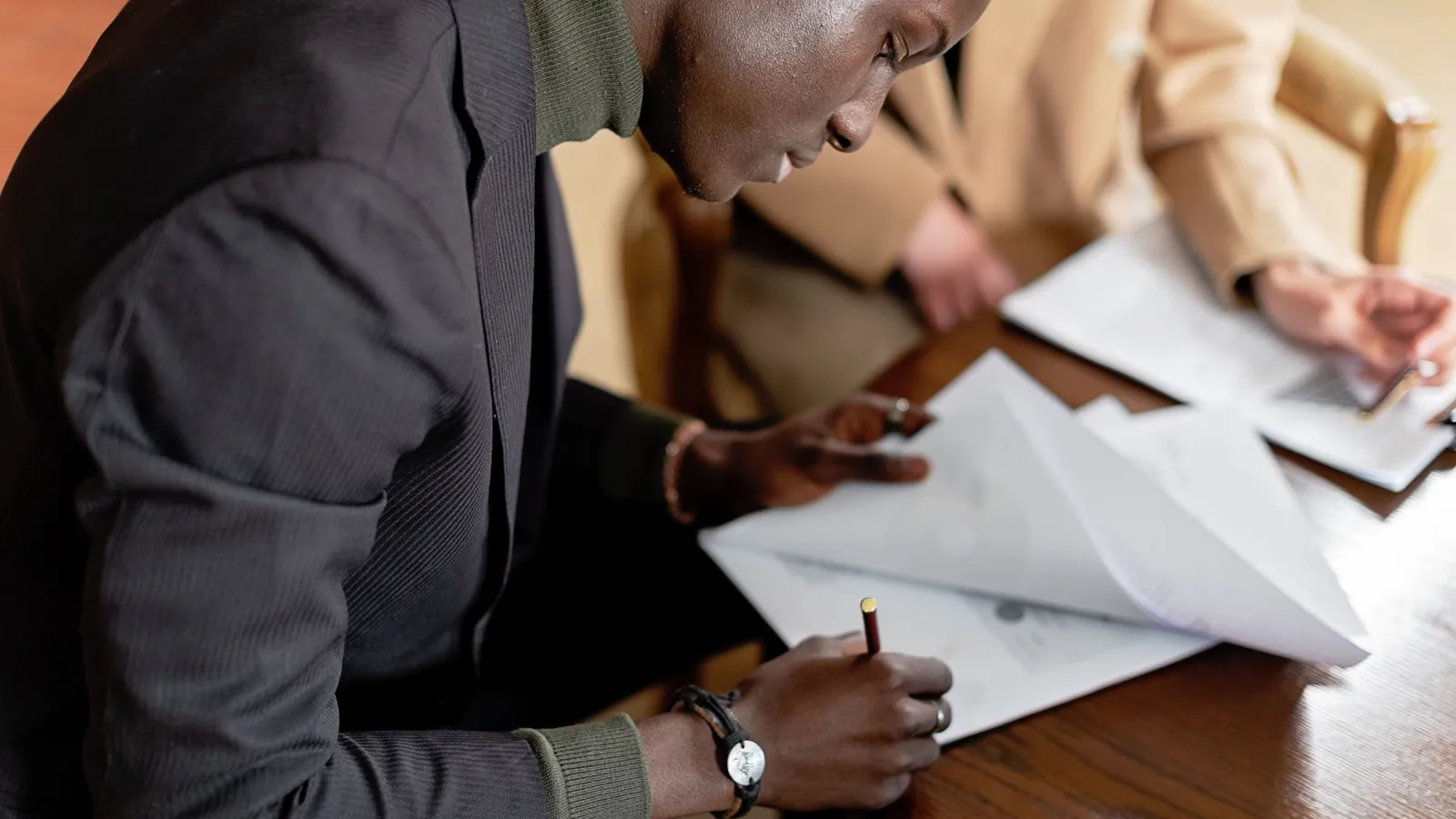
The motivation here is straightforward risk management. Verifying someone's actual history, employment record, business registration, reputation among past partners, before extending trust is far cheaper than discovering a problem after the fact. Most people who go through this process once keep doing it for every significant hire or partnership afterward, simply because the alternative felt too exposed once they thought it through, a habit our guide on corporate investigations in Tanzania covers in more depth.
What tends to change people's minds isn't a dramatic story from someone else, it's usually a near miss of their own, a reference that turned out to be fabricated, a company registration that didn't check out when someone finally looked. One close call is often enough to make verification a permanent habit rather than an occasional afterthought.
To investigate fraud or theft that's already happening
This reason usually arrives with real frustration attached. Stock that keeps coming up short. A financial discrepancy that repeats with the same explanation every month. A strong sense that something is wrong inside the business, without enough specifics yet to know who or how.
People in this position aren't looking for a general audit. They're looking for someone who can establish, specifically, how money or stock is actually leaving the business and who's responsible, quietly enough that the person involved doesn't get a chance to cover their tracks first. The goal is almost always the same: stop the bleeding and get evidence solid enough to act on, whether that means dismissal, recovery, or a formal report, the exact pattern our guide on the signs of employee theft walks through in more detail.
What makes this reason distinct from the others on this list is the urgency behind it. Nobody hires an investigator for a fraud case out of curiosity. By the time someone reaches out, they've usually already lost money, sometimes for months, and the motivation is as much about stopping an active loss as it is about understanding what already happened.
To locate someone or something that's gone quiet
A supplier who took a deposit and stopped answering. A family member who's lost touch. A business partner who disappeared along with money owed. A hidden asset that needs to be found as part of a divorce or inheritance matter. All of these share the same underlying need: locating a person or an asset that's deliberately or circumstantially become hard to find.

What drives people to this point is usually a mix of financial motivation and simple resolution. Recovering money owed matters, obviously, but so does the plainer need to just know, where someone is, what happened to them, or what actually became of an asset everyone assumed was accounted for.
Timing plays a bigger role here than in most other categories on this list. Businesses and individuals who reach out quickly, within the first few weeks of someone disappearing, tend to have far better outcomes than those who wait months hoping the situation resolves itself. A trail that's easy to follow at first gets considerably harder with every passing month.
To support or challenge an insurance claim
This reason cuts in two directions. Insurers hire investigators to verify a claim before paying out, particularly when something about the reported loss doesn't quite add up. Policyholders and businesses hire investigators when they feel a legitimate claim is being unfairly delayed or undervalued, and want independent, documented facts to support their side.

Either way, the underlying motivation is the same: replace a disputed story with evidence. Claims that sit in prolonged disagreement cost everyone involved time and money, and an independent investigation is usually what actually breaks the stalemate, in whichever direction the facts point.
People on the claimant side of this reason are often surprised to learn they can commission this themselves. Most assume the insurer's word is final once an initial assessment comes back low or gets disputed, when in reality, bringing independent facts to the table is a normal, expected part of resolving a genuine disagreement, exactly the dynamic our guide on what a loss adjuster does for the policyholder covers from the claimant's side specifically.
To gather evidence for a legal matter
This reason overlaps with several of the others but deserves its own mention, since it comes with a specific requirement the others don't always share: the evidence needs to hold up formally, in a divorce proceeding, a custody dispute, an inheritance case, or a contract disagreement heading toward litigation.

People in this situation aren't just looking for an answer for their own peace of mind. They need documented, properly gathered findings that a lawyer can actually use, dated evidence, witness statements, verified records, rather than an informal account that would fall apart the moment it was questioned. This is where the difference between a professional investigation and someone's personal snooping matters most, since only one of them produces something a court or legal process will actually accept, a distinction our guide on the biggest myths about private investigators covers in more depth.
This reason often surfaces later than it should, sometimes only after a case has already dragged on for months without the evidence needed to move it forward. Bringing in an investigator early, as soon as a legal dispute looks likely, tends to produce a much stronger case than trying to reconstruct events after the fact.
Frequently asked questions
Relationship and matrimonial cases still make up the largest single category, but business-related reasons, vetting, fraud, and due diligence combined, add up to a significant share overall, more than most people expect before they actually look into it. The business side just doesn't get talked about publicly the way personal cases sometimes do, which skews the popular perception.
Sometimes, yes. A business partner dispute can involve both due diligence concerns and an eventual legal matter, for example, or a fraud case can uncover evidence relevant to a legal claim against the person responsible. A good investigator will scope the case around what's actually needed rather than treating every situation as fitting neatly into just one category.
More often than the public conversation around private investigation would suggest. Vetting, due diligence, and fraud investigation are routine parts of how many businesses manage risk, even if it doesn't get talked about publicly the way personal cases sometimes do, since a company confirming a supplier's registration rarely makes for an interesting story to share.
The legal evidence-gathering reason is probably the most overlooked. People going through a divorce, custody dispute, or contract disagreement often don't think to bring in an investigator until a lawyer suggests it, even though earlier, properly documented evidence tends to strengthen a legal position considerably compared to reconstructing events months later from memory.
A direct, confidential conversation describing the situation. That's usually enough for a professional firm to tell you which category your case actually falls into, what evidence would realistically help, and roughly what to expect in terms of time and cost before you commit to anything. There's rarely a need to have every detail figured out before reaching out, that's part of what the initial conversation is for.
Whichever of these six reasons brought you here, the underlying need is usually the same: replacing uncertainty with facts you can actually act on. Once you've recognized your own situation on this list, our checklist of what to prepare before hiring an investigator covers exactly what to gather and decide before that first call. FP Adjusters handles all six categories across Tanzania and East Africa, with the discretion and documentation each one requires, whether the situation is personal, professional, or headed toward a legal process.
See Your Situation in One of These?
Tell FP Adjusters what's going on, and we will tell you plainly what evidence would actually help and what to expect.
Talk to an Investigator