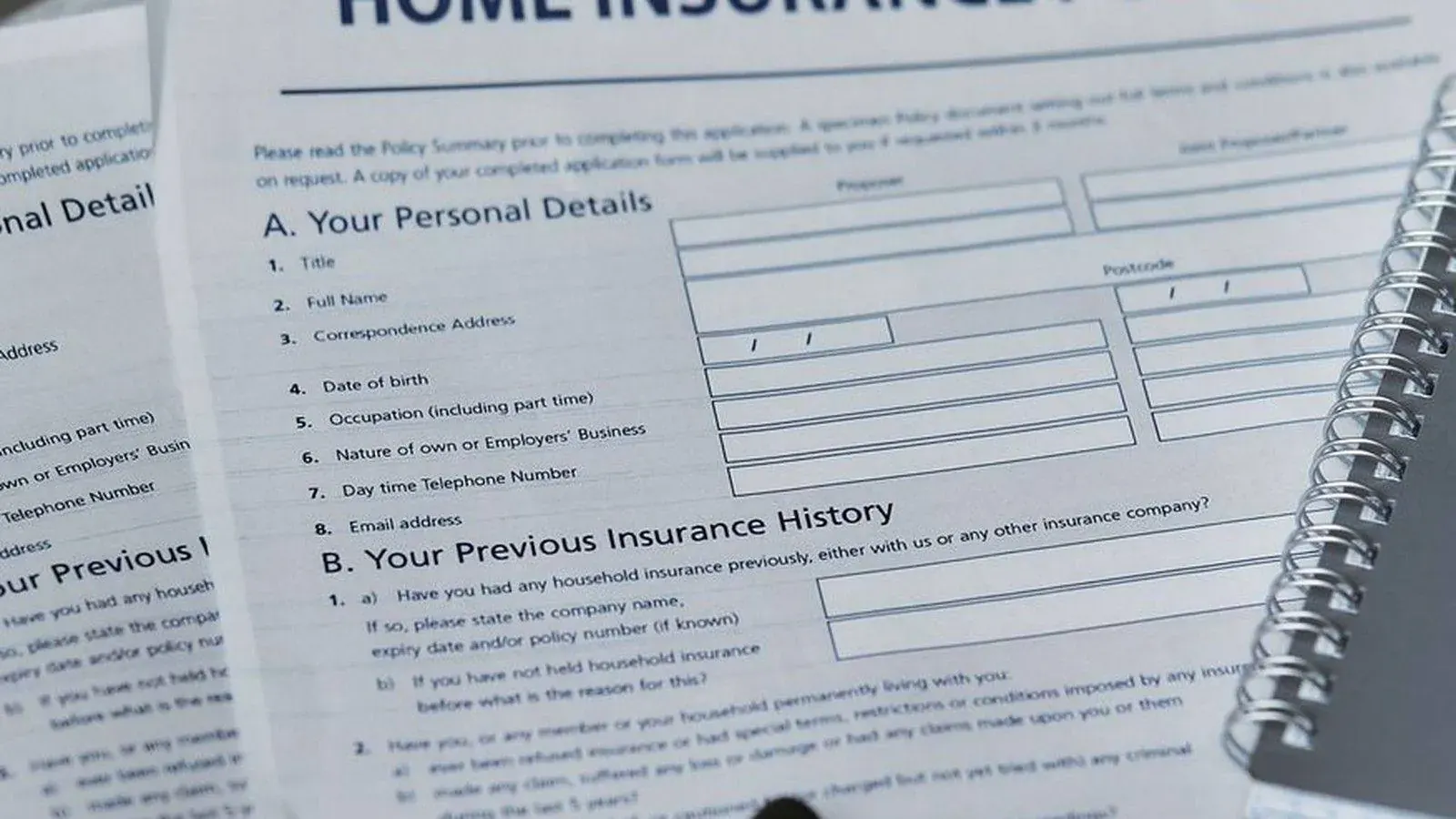
An insurance claim is really just a story: something happened, it caused a loss, and the policy is supposed to cover it. Most of the time that story checks out completely. The problem is that insurers and claimants alike have no easy way to confirm that quickly, which means genuine claims can sit in limbo just as long as questionable ones. A private investigator's job in the claims process is to establish the facts on the ground, fast, so the right outcome happens without unnecessary delay.
This service exists on both sides of the table. Insurers use claims investigation to verify a loss before paying out. Policyholders and businesses use it to support a legitimate claim that is being unfairly delayed or disputed. Either way, the goal is the same: replace a disputed story with documented fact. Tanzania's insurance sector operates under the Tanzania Insurance Regulatory Authority, which has introduced formal claims management frameworks specifically to improve how fairly and quickly claims get handled, so this kind of independent verification is not an unusual step. It is becoming a standard part of how claims are properly managed. Our guide on how private investigations save companies millions covers why that speed matters financially, for insurers and policyholders alike. If you're the one filing the claim, our guide on what a loss adjuster does for the policyholder covers this exact dynamic from your side of the process.
What makes claims investigation different from a general insurance assessment is independence. An in-house adjuster is working for the insurer. A claimant's own documentation is, understandably, presented in the light most favorable to them. An independent investigator has no stake in the outcome either way, which is exactly what makes the resulting report credible enough to actually settle a dispute rather than extend it, as we cover in more depth in our guide on why independent loss adjustment matters in East Africa's insurance market. Here is how that plays out across the most common types of claims in Tanzania.
1. Motor accident and vehicle insurance claims
Vehicle claims are the most common insurance claim in Tanzania, and also the easiest to exaggerate or stage. A minor fender-bender reported as a major collision. Pre-existing vehicle damage folded into a new accident claim. Two vehicles involved in a "chance" collision that turns out to be arranged between people who know each other.
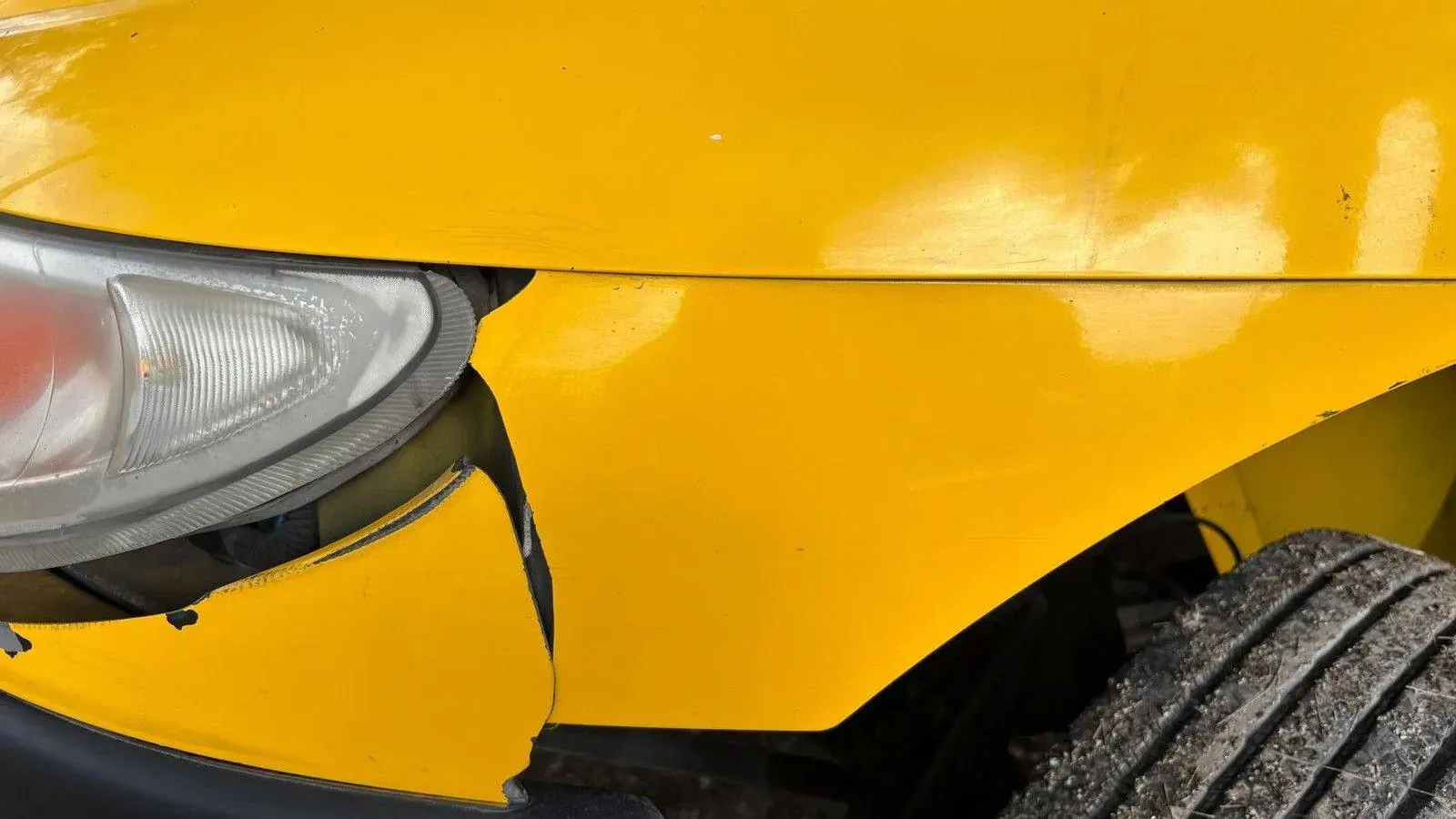
A motor claims investigation typically involves a site visit to the accident location, photographic and physical evidence review, interviews with the drivers and any independent witnesses, and cross-checking the account against police reports where one exists. This establishes whether the reported sequence of events actually matches the physical evidence.
A few details tend to prompt a closer look: damage patterns that don't quite match the described point of impact, no independent witnesses (or ones who are strangely hard to reach or reluctant to speak), a vehicle carrying prior damage or an overlapping prior claim, and drivers whose accounts disagree on basic details like time, direction, or speed.
With ride-hailing and commercial fleet vehicles now making up a large share of claims in urban areas like Dar es Salaam, insurers are also seeing more claims involving vehicles that were being used commercially without the correct policy in place. Verifying how a vehicle was actually being used at the time of an accident has become just as important as verifying the accident itself.
2. Fire, theft, and burglary claims
These claims depend heavily on what cannot easily be re-examined after the fact. Stock that was allegedly stolen, an interior that has already burned, a shop that was supposedly broken into overnight. Without an early, independent look, the insurer is often left relying entirely on the claimant's own account and paperwork.
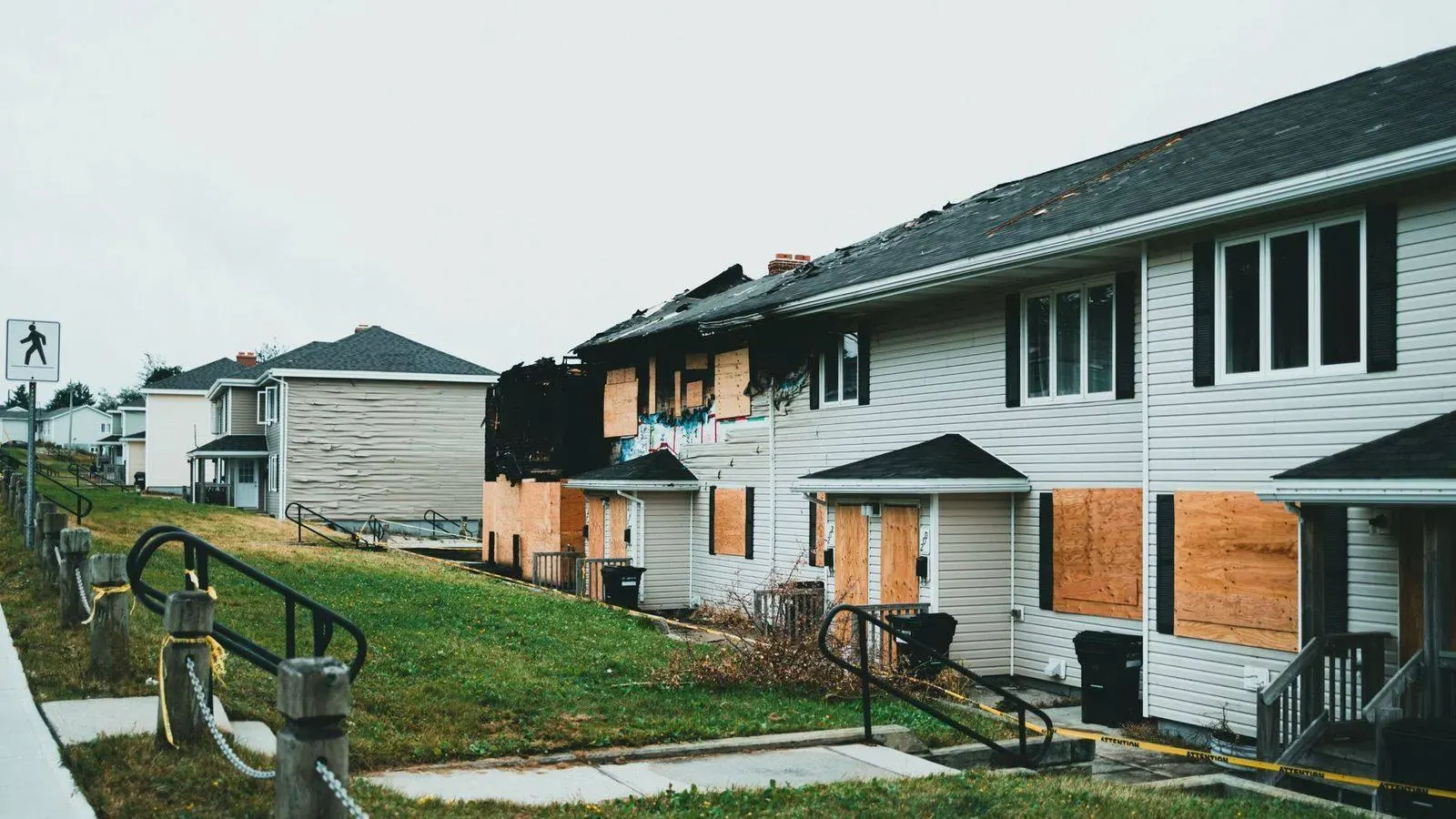
A property loss investigation is most useful when it happens quickly, ideally before the scene is cleared or repairs begin. It typically covers scene inspection, verification of forced entry or fire origin where relevant, review of security footage if available, and cross-checking claimed inventory or losses against actual purchase and stock records.
Certain details tend to prompt a closer look too: no sign of forced entry despite a reported break-in, a claimed inventory loss well above what stock records actually support, a fire or burglary reported shortly after a business took out or increased its coverage, and security systems that just happened not to be working at the exact time of the incident.
Timing matters more in this category than almost any other. The longer a scene sits before it is examined, the more evidence gets cleaned up, repaired, or simply lost, which is why insurers and business owners alike benefit from getting an investigator involved within days of the incident rather than weeks.
3. Life and health insurance claims
Life and health claims carry a different kind of sensitivity, since they usually involve genuine loss and grief, which is exactly why a small number of fraudulent claims in this category can be so damaging to everyone else's trust in the system. Investigations here tend to focus on verifying facts rather than questioning grief: confirming medical history disclosures made at the time of application, verifying the circumstances and documentation surrounding a death or diagnosis, and checking for undisclosed pre-existing conditions that would have affected the original policy terms.

This type of investigation is handled with particular discretion, working through proper documentation channels such as hospital records, attending physician statements, and official certificates rather than intrusive personal inquiry.
A few situations tend to call for verification: a large claim filed shortly after a policy's waiting period ends, medical documentation that looks inconsistent or comes from a facility that's hard to verify, a cause of death or diagnosis that doesn't match earlier medical history on file, or multiple policies taken out on the same individual across different insurers within a short window.
The intent behind this kind of verification is never to make grieving families or genuinely ill policyholders feel suspected. In the overwhelming majority of cases, the documentation simply confirms what was already reported, and the claim moves forward without delay. The process exists for the small number of cases where it does not, so that everyone else's premiums and trust in the system are not eroded by them.
4. Business and commercial asset claims
Commercial claims tend to involve larger sums and more complex loss calculations than personal claims, which makes them a common target for inflated figures. Equipment losses valued well above replacement cost. Business interruption claims that overstate lost income. Stock damage claims that do not match delivery and sales records.

A commercial claims investigation usually combines site inspection with a documentation review: purchase records, delivery notes, sales history, and equipment valuations, to establish what was actually lost and what it was actually worth. For larger claims, this often includes interviews with staff and, where relevant, verification with suppliers or customers referenced in the claim, similar to the checks covered in our guide on how a private investigator can protect your business from fraud.
Worth investigating: valuations noticeably higher than what the equipment's documented purchase price or age would suggest, a business interruption claim built on projected income rather than verifiable trading history, timing that lines up a little too well with a business in financial difficulty, and supporting invoices or receipts that can't be verified with the supplier named on them.
Because commercial claims often involve six or seven-figure sums, even a small overstatement can mean a significant overpayment. A thorough forensic and financial investigation protects the insurer from that, while also giving a legitimate business claimant a faster, cleaner path to settlement once the figures are independently confirmed.
5. Marine, cargo, and goods-in-transit claims
Given how much of Tanzania's trade moves through the Port of Dar es Salaam and along regional transport corridors, cargo and goods-in-transit claims are a significant category on their own. A container reported as damaged or short on arrival. Goods claimed lost in transit that were, on closer inspection, never loaded in the quantity declared. Spoilage claims on perishable goods where storage conditions are disputed.

These investigations often involve reviewing shipping documentation, loading and offloading records, warehouse or port handling reports, and where necessary, coordinating checks at multiple points along the supply chain to establish exactly where a loss occurred and whether it matches what was declared.
Common issues that surface during these reviews include a declared loss quantity that doesn't match the original bill of lading or loading manifest, damage blamed on transit that actually looks more like poor storage before shipping, missing or incomplete documentation at one specific handover point in the chain, and a pattern of similar claims coming from the same shipper or route within a short period.
Because cargo often passes through several hands, port handlers, transporters, warehouse staff, before it reaches its final destination, establishing exactly where a loss happened is often the difference between a claim being fairly paid and it being wrongly denied. Tracing the chain of custody carefully protects both the insurer and the shipper, a discipline covered further in our guide to the kinds of cases private investigators solve.
Frequently Asked Questions
The work centers on establishing verifiable facts: visiting the scene, reviewing physical evidence, interviewing those involved and any independent witnesses, and cross-checking the claim against documentation such as receipts, records, or reports. The output is a factual report that either supports the claim or identifies specific inconsistencies, not an opinion or accusation.
Both. Insurers commission investigations to verify a claim before paying out, particularly on larger or unusual losses. Claimants and businesses commission their own investigation when they feel a legitimate claim is being unfairly delayed or disputed, since an independent report can support their position just as effectively.
Not necessarily. Investigation is a standard part of handling larger or more complex claims, similar to how a bank verifies a large transaction. Most investigated claims turn out to be entirely genuine. The process exists to confirm that quickly and objectively, not to presume guilt.
It depends on the claim type and complexity. A straightforward motor accident review can often be completed within days. Commercial, cargo, or life insurance investigations that involve multiple documents, locations, or third parties typically take longer, sometimes a few weeks, particularly if records need to be gathered from several sources or if the incident happened outside a major city where site access takes longer to arrange.
The report supports prompt settlement. In many cases, a documented independent investigation actually speeds up payout, because it removes the uncertainty that would otherwise cause an insurer to hesitate or ask for repeated clarification. For the claimant, having an independent report on file can also make future dealings with the same insurer smoother.
Insurance claims handling itself falls under the Tanzania Insurance Regulatory Authority, which has introduced formal frameworks covering how claims should be managed fairly and efficiently. Independent claims investigation supports that standard by giving insurers and claimants a documented, evidence-based basis for settling a claim rather than relying on disputed accounts alone.
Whether you are an insurer needing a claim verified or a policyholder trying to move a stalled claim forward, the fastest path through a dispute is usually the same: independent, documented facts. FP Adjusters provides claims investigation and loss adjustment services across motor, property, life, commercial, and cargo claims throughout Tanzania and East Africa. If your claim, or a claim you're reviewing, doesn't quite add up, our guide on how to hire a private investigator covers what to expect before you get started.
Need an Insurance Claim Verified?
FP Adjusters conducts independent, evidence-based claims investigations across Tanzania and East Africa. Tell us about the claim. We will take it from there.
Talk to an Investigator